
IMPORT
Menhir
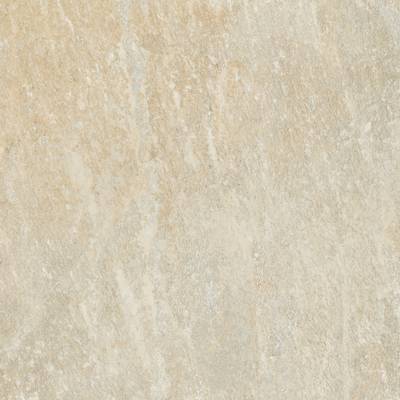
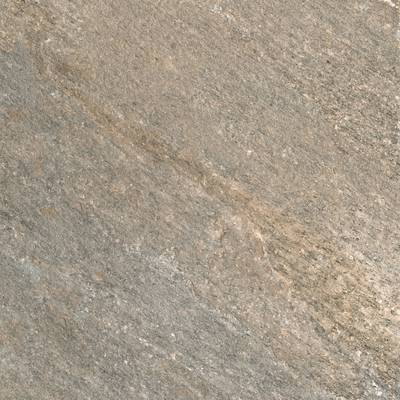
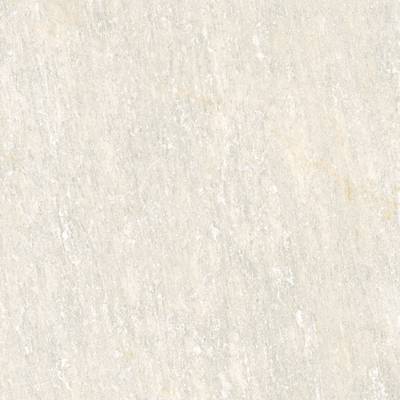
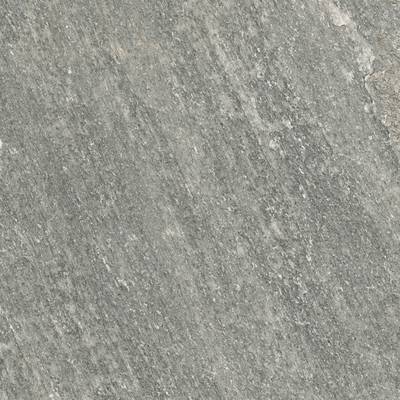
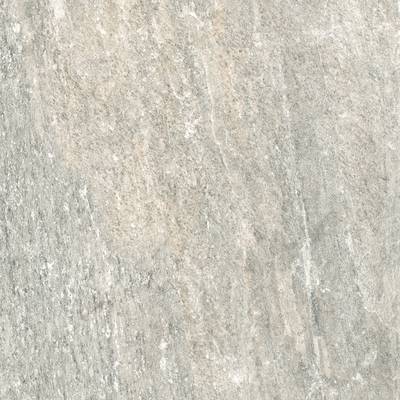
Menhir revives the essence of the most refined quartzites, bringing them back into contemporary architectural projects by blending timeless natural aesthetics with today’s vision of design and living.
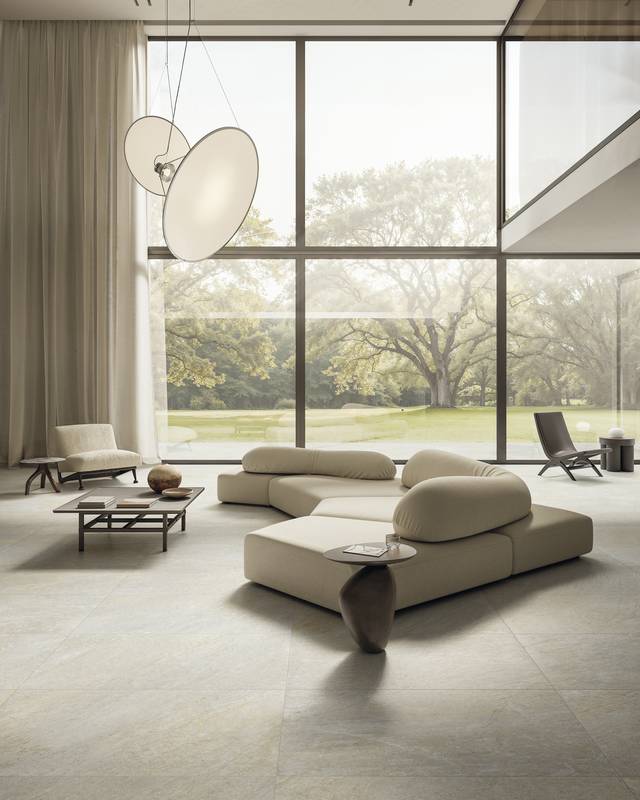
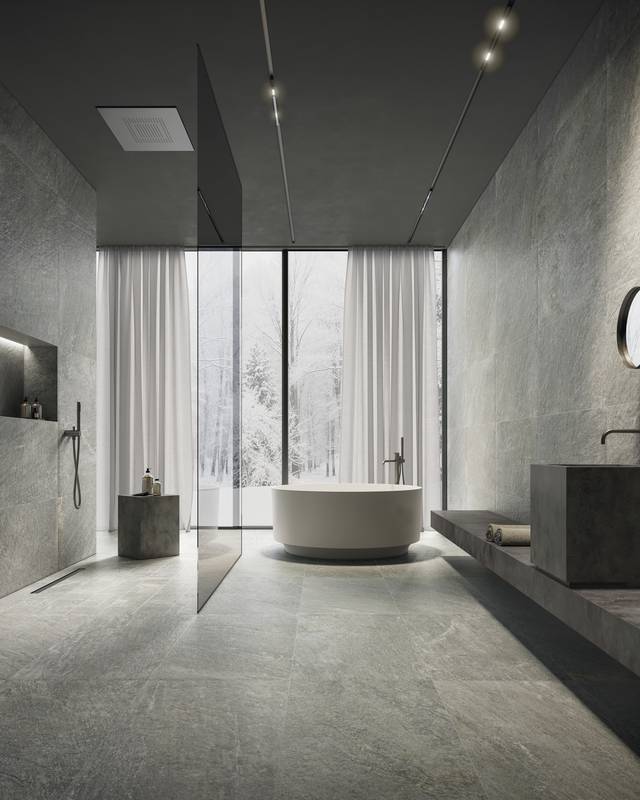
The modern stone-effect tiles from the Menhir collection express the strength and beauty of natural stone, interpreting contemporary trends through minimalist furnishing choices and integrating the charm of nature with the functionality and versatility of porcelain stoneware.
Menhir faithfully reproduces the shades, details, and chromatic features of high-quality natural quartzite. A complete and nature-inspired color range enriches every residential and commercial project with personality and character.
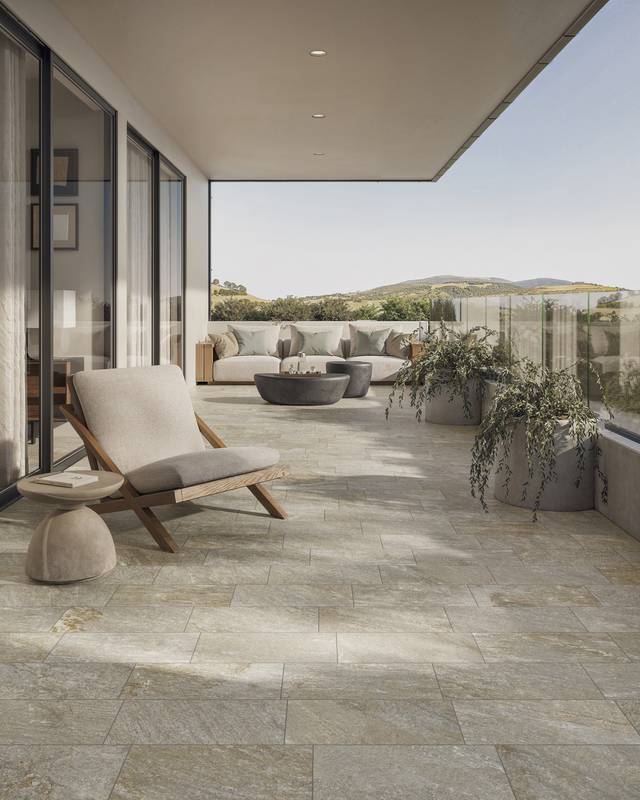
The continuity between indoor and outdoor spaces is a trend in modern architecture that reflects the growing need for balanced living spaces. Menhir meets this need by offering solutions for every setting, thanks to its range of surface finishes.
find out more
Get in touch with one of our professionals to assist you with your project.
FREQUENTLY ASKED QUESTIONS
What is a surface finish, and what types are commonly available?
Surface finish refers to the techniques employed to achieve certain conditions of roughness on the surface, as well as shape and size tolerances.
A tile’s surface can be distinguished by its appearance and texture:
- a natural finish can be smooth and matt or soft and sanitised, or may even have a slightly textured surface;
- a textured surface displays all the characteristics of natural stone, such as reliefs, sand-like effects and ripples;
- a lapped surface is glossy because it is polished by means of a mechanical process that does not remove any material;
- a polished surface is even glossier because it is mirror polished, involving the removal of up to 1 mm of material from the pressed surface.
In addition, a glazed surface is coated with a thin layer of vitreous material that determines its colour and shine.
What is the difference between indoor and outdoor tiles?
While many tiles can transition seamlessly between interior and exterior spaces, the two environments place very different demands on materials. The key differences include:
Weather resistance: Outdoor tiles must endure rain, harsh sun, temperature shifts and general environmental exposure. This typically requires denser, more durable materials such as porcelain or stone.
Slip resistance: Exterior surfaces often require a higher-grip texture to ensure safe movement in wet or exposed conditions.
Water absorption: Outdoor tiles are engineered with very low absorption rates to prevent swelling, cracking or mould caused by moisture and freezing.
Chemical resistance: Exterior surfaces may encounter stronger cleaning products or environmental contaminants.
Design vs. function: Indoor tiles can prioritise refined finishes and decorative detail, while outdoor tiles focus on performance—though modern manufacturing allows both to remain visually considered.
Many ranges today are designed to create a cohesive flow between inside and out, provided the correct finish is selected for each area.
What standards apply to the slip resistance of tiles?
Slip-resistance requirements differ worldwide, but one of the most widely recognised classifications is the R-rating system, which evaluates how a tile performs under angled ramp testing.
Typical classes are:
R9: Low slip resistance – suited to dry interior areas.
R10: Standard resistance – appropriate for general indoor use.
R11: Enhanced resistance – recommended for damp or commercial environments.
R12: High resistance – suitable for very wet, high-risk spaces such as pool surrounds and outdoor walkways.
Always refer to your region’s building regulations and project specifications to determine the appropriate rating. Technical sheets for each tile will outline its certified slip-resistance values.
What do ‘tone’ and ‘calibre’ mean?
Tone and calibre describe natural variations that may occur during tile production.
Tone: Even when tiles are manufactured in the same colour, slight variations in shade, warmth or intensity can occur between batches. These variations add depth and character but should be considered when aiming for a uniform final result.
Calibre: This refers to the exact dimensions of a tile. Minor size differences can occur during firing, which is why tiles are sorted into calibres. Matching calibres ensures clean, consistent installation.
For best results, it’s advisable to source all material from the same batch to maintain harmony in colour and size throughout the project.
What does it mean when a product has ‘shade variations’?
Shade variation indicates intentional differences in colour, tone and pattern across individual tiles. This is often used to recreate the organic movement of stone or to add visual interest to a surface.
Some collections feature strong movement and bold tonal shifts, ideal for expressive walls or floors. Others offer a more uniform look for a refined, contemporary feel. Each product’s technical sheet will specify its variation grade—typically rated from V0 (minimal variation) to V4 (significant variation).
What does 'rectified' mean?
Rectified tiles have their edges mechanically trimmed to achieve perfectly straight, precise lines. This allows for narrower grout joints, creating a sleek, modern surface with minimal interruption.
For floors using rectified tiles, a 2 mm joint is recommended.
For walls, a 2 mm joint is required to account for movement and moisture.
Rectified tiles are especially popular in kitchens, bathrooms and high-use environments where tight joints enhance durability, cleanliness and overall appearance. Non-rectified tiles have naturally uneven edges and require wider joints.
How many ways can porcelain tiles be laid?
Porcelain tiles offer exceptional versatility in layout, allowing the installation pattern to elevate or completely transform a space. Common approaches include:
Staggered (running bond): A classic method that creates gentle movement and works well with most tile sizes.
Herringbone: An elegant V-shaped layout that adds sophistication and visual texture.
Mosaic: Small or irregular pieces arranged to form detailed, expressive patterns.
Checkerboard: Alternating colours for a timeless, structured look.
Chevron: Similar to herringbone but with angled ends, creating a seamless zig-zag effect ideal for modern interiors.
The ideal pattern depends on tile size, room geometry and the overall design intent. For best performance and longevity, we recommend working with an experienced installer and following the manufacturer’s installation guidelines.
What is a ‘butt-joint’ installation?
A butt-joint installation places tiles edge-to-edge with no visible spacing. While visually appealing, this method does not comply with industry standards, as every tile – rectified or not -requires a minimum joint to accommodate structural movement and manufacturing tolerances.
A 2 mm joint is the minimum recommended for rectified products. When using narrow joints, tone-on-tone grouting helps achieve a continuous, seamless appearance.
Is post installation cleaning important?
Yes, thorough cleaning after installation is essential. Residues from grout, adhesive, cement and construction activities can create a dull film that becomes extremely difficult to remove later.
Key recommendations:
Remove grout residues promptly using products designed for post-installation cleaning.
For medium to large surfaces, a single-disc machine with soft pads (white or beige) is recommended.
Cement-based haze can usually be removed using diluted, buffered acid cleaners suitable for porcelain or ceramic surfaces.
Proper initial cleaning ensures the surface performs as intended and makes ongoing maintenance far easier. Always follow the cleaning guidelines provided for the specific product you’ve selected.